Pest Control Service in Charlotte provides structural pest eradication, mechanical exclusion, and targeted boundary protection for residential and commercial properties. A licensed technician evaluates foundation perimeters, crawl spaces, and attic envelopes to stop insect nesting cycles without binding homeowners to high-pressure recurring chemical contracts.

Pest Control Service company in Charlotte is an on-site structural extermination and biological exclusion service that identifies insect nesting corridors, blocks entry voids, and eliminates residential infestations across Mecklenburg County.
Every service reflects the same meticulous attention to detail, whether it's a single job or a larger pest control service project across Charlotte.
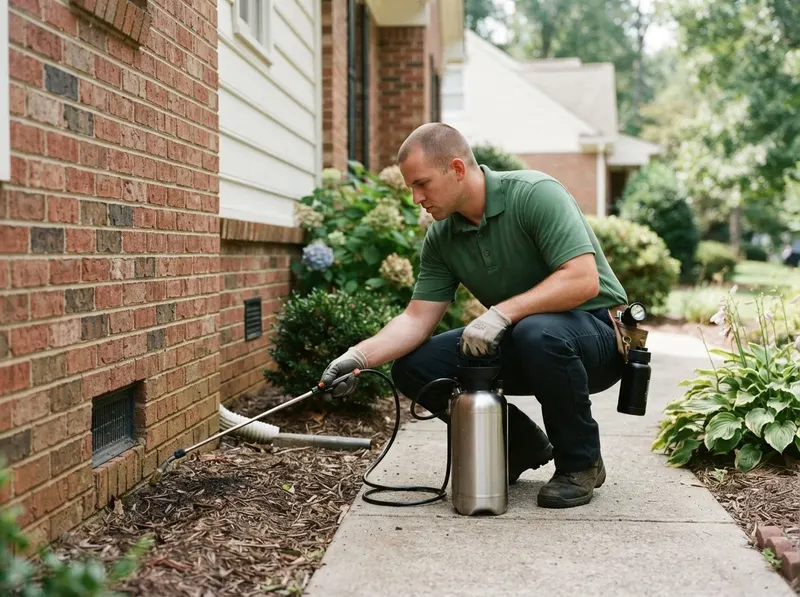
General residential pest control targets common interior invaders including German cockroaches, odorous house ants, silverfish, and house spiders across living areas, kitchens, and basements. Certified technicians execute an exhaustive interior and exterior evaluation, identifying physical access voids around utility pipes, baseboard joints, and subfloor access doors. Field crews apply targeted microencapsulated perimeter barriers along foundation masonry, seal structural pipe penetrations beneath kitchen and bathroom sinks using elastomeric polymers, and inject non-staining gel bait matrices into concealed wall voids where insects forage. Exterior treatments include sweeping down cobwebs and wasp starter nests beneath porch eaves and applying a water-resistant protective chemical apron 3 feet up the exterior foundation and 5 feet out across mulch perimeters. This systematic multi-zone approach eliminates established interior nesting populations while repelling new insect migrations from exterior garden beds. Homeowners receive complete eradication without being locked into multi-year recurring chemical maintenance contracts.
Get a quote →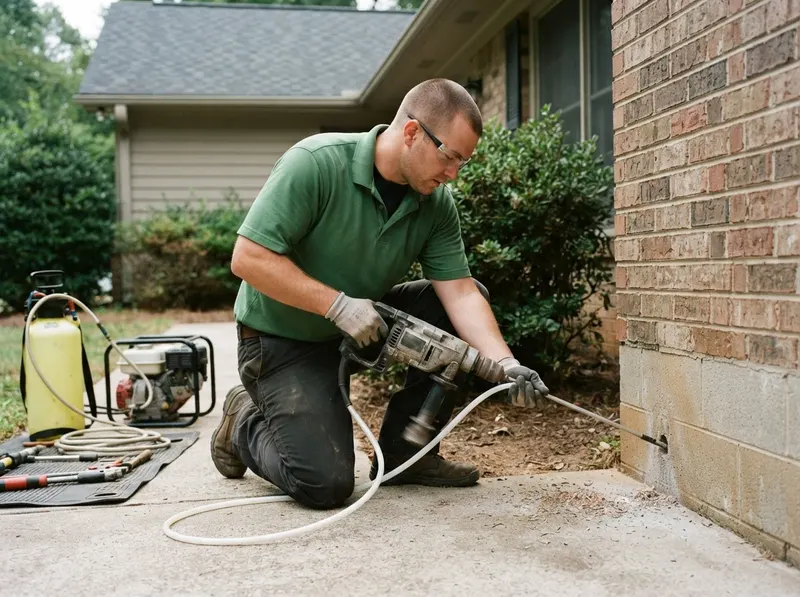
Subterranean termite defense halts active colonies of Reticulitermes flavipes before structural floor joists, rim boards, and mudsills incur permanent timber failure. Field specialists perform continuous trenching through Piedmont red clay soils around exterior structural foundations, digging 6 inches wide by 6 inches deep to deposit non-repellent liquid termiticides like fipronil at measured label rates of 4 gallons per 10 linear feet. Technicians drill hollow concrete masonry unit blocks, expansion joints, and concrete porch slabs using diamond-tipped masonry drill bits to flood critical soil sub-grades where subterranean shelter mud tubes originate. Interior crawl spaces receive localized direct foaming treatments into sill plate seams and active wood-to-ground contact points. In addition, technicians establish low-profile exterior bait stations every 10 to 15 feet along the drip line to continuously intercept foraging worker termites. Worker termites inadvertently ingest and contact the non-repellent active ingredient, grooming nest mates and transferring lethal amounts back to the primary reproductive queen beneath the frost line.
Get a quote →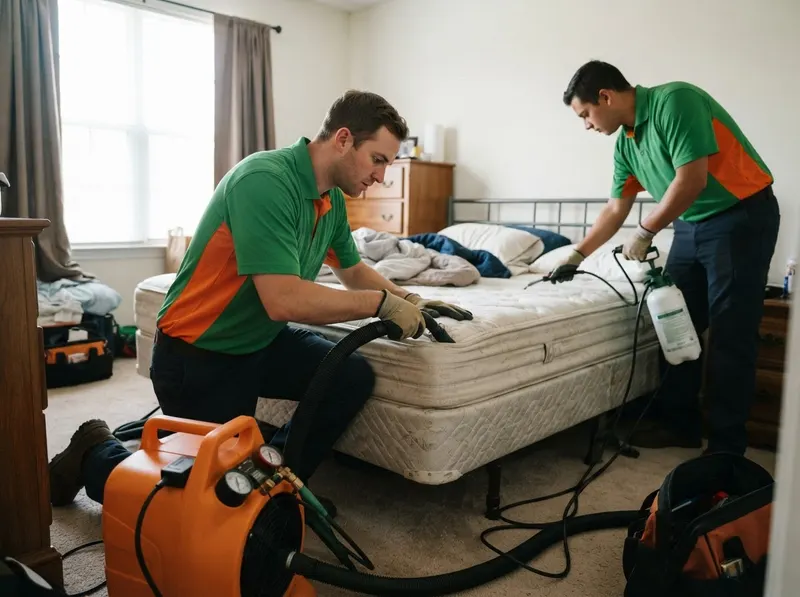
Bed bug remediation eliminates persistent infestations of Cimex lectularius hidden deep within mattress seams, box springs, headboards, electrical faceplates, baseboard channels, and upholstered furniture. Field operators combine commercial high-output structural thermal heating systems with targeted chemical desiccant applications to eradicate all developmental life stages, including dormant eggs. Industrial electric heat blowers raise ambient indoor air temperatures between 120 and 135 degrees Fahrenheit, sustaining this thermal threshold for several hours while remote temperature sensors ensure heat penetrates dense furniture cores and baseboard crevices. Technicians concurrently apply microfine amorphous silica dust and residual juvenile hormone mimics inside electrical wall boxes, crown molding joints, and perimeter tack strips. This integrated approach causes rapid desiccation of adult bed bugs and ruptures structural egg casings without damaging delicate interior textiles, clothing, or electronics. Rooms receive thorough post-treatment verification, restoring comfortable and sanitary residential sleeping quarters in a single treatment window.
Get a quote →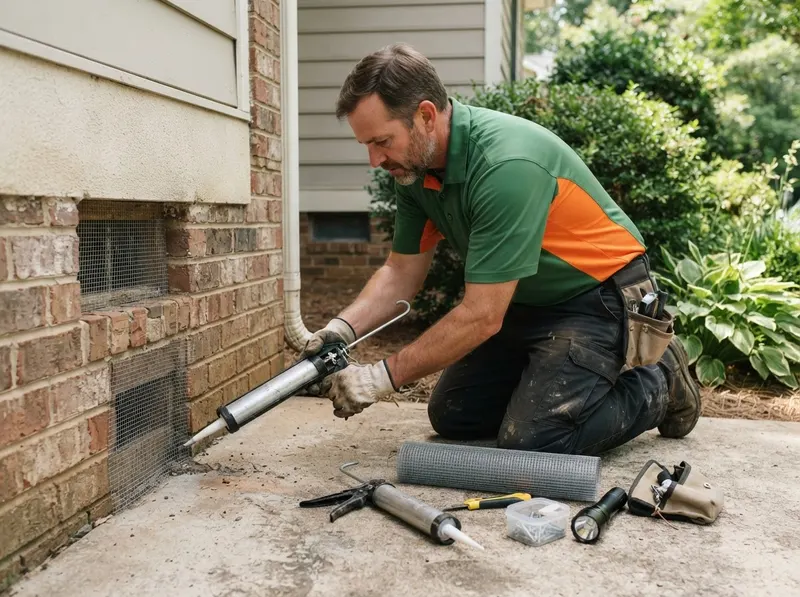
Rodent abatement stops Norway rats, roof rats, and field mice from gnawing through structural electrical wiring, fouling blown-in attic insulation, and nesting in floor cavities. Certified technicians complete an exterior perimeter audit to identify structural openings as small as one-quarter inch, concentrating on foundation crawl space vents, roofline soffit returns, gable louvers, and architectural weep holes. Field crews fasten heavy-gauge quarter-inch galvanized hardware cloth over exterior foundation crawl space vents, pack structural weep holes with corrosion-resistant stainless-steel wire mesh, and seal irregular foundation gaps using chew-proof expandable polyurethane foam reinforced with copper wire wool. Inside attics and basements, specialists deploy heavy-duty mechanical snap traps along confirmed pheromone-marked travel runs, avoiding poisonous interior tracking powders that cause rodents to expire and decompose inside inaccessible wall voids. Locked, tamper-resistant exterior bait stations are positioned along exterior building perimeters to intercept new rodent populations traveling along fence lines, landscape borders, and outbuildings.
Get a quote →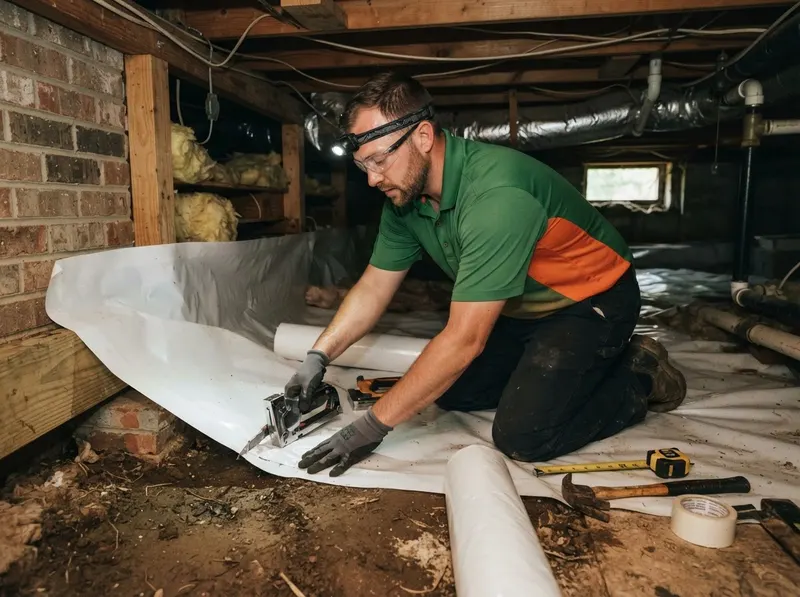
Crawl space moisture control protects homes from high relative humidity, fungal decay, wood-boring beetles, and camel cricket infestations. Field technicians begin by clearing organic debris, scrap timber, and standing water from unfinished crawl space dirt floors, evening out soil gradients across foundation piers. Technicians install heavy-duty 10-mil to 20-mil reinforced polyethylene vapor barrier sheeting across 100 percent of exposed ground surfaces, overlapping structural seams by a minimum of 12 inches and sealing joints with commercial vapor tape before mechanically fastening the membrane 6 inches up masonry foundation walls. Foundation wall vents are sealed to isolate exterior summer humidity, and commercial energy-efficient crawl space dehumidifiers are installed and routed to exterior condensation drains. Regulating ground moisture prevents fungal rot in structural subflooring and eliminates the damp dampwood habitats that draw subterranean termite swarms, while simultaneously stabilizing indoor air quality throughout the primary living quarters above.
Get a quote →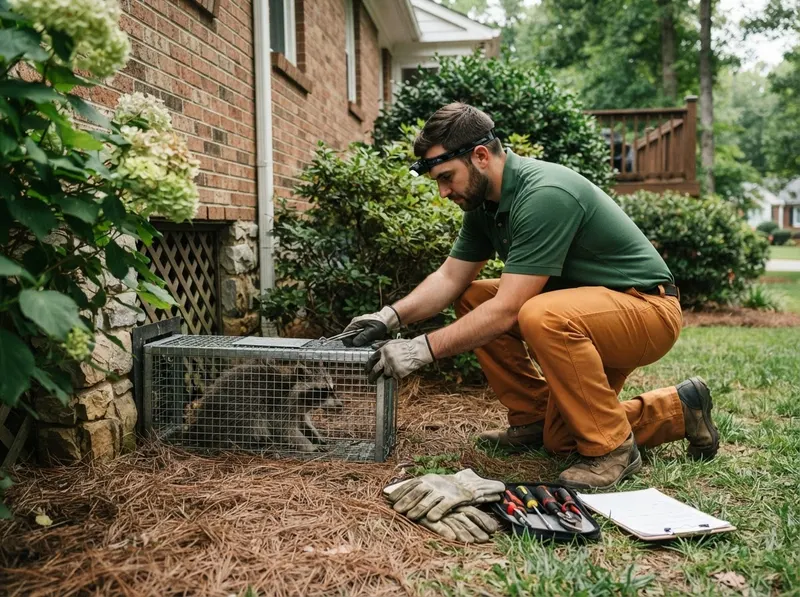
Humane wildlife control removes eastern gray squirrels, raccoons, bats, and Virginia opossums nesting inside soffits, gables, and chimney flues. Technicians inspect roof ridges and trim lines, install spring-loaded one-way exit funnels, and reinforce deteriorated fascia boards with architectural sheet metal. Captured or evicted wildlife is handled humanely in strict accordance with North Carolina Wildlife Resources Commission guidelines, ensuring mothers and offspring are relocated or reunited outside structural envelopes. Once structural evacuation is confirmed, technicians seal all biological entry voids using high-tensile steel fasteners and custom-bent aluminum flashing to prevent re-entry. Technicians also clean, sanitize, and decontaminate fouled attic spaces, applying botanical biocides to neutralize hazardous animal feces, urine, and ectoparasites like bat bugs and rodent fleas, ensuring the living environment remains protected against secondary insect migrations.
Get a quote →
Commercial restaurant pest defense safeguards dining rooms, food preparation lines, dish pits, and dry storage pantries from flies, rodents, and roaches. Certified technicians inspect refrigeration motor pans, apply biocidal floor drain foams that dissolve organic grease films, and install discreet insect light traps out of guest view. Detailed digital logs and compliance documentation maintain local Mecklenburg County health department sanitation standards, helping managers avoid costly health violations. Technicians conduct late-night or early-morning non-intrusive service calls to apply non-volatile bait pastes in motor housings, prep tables, and stainless steel backsplash gaps without contacting food-prep surfaces. Technicians also install physical door sweeps, seal plumbing utility penetrations, and treat outdoor dumpster pads with heavy-duty enzymatic cleansers to eliminate strong odors that draw outdoor flies and nocturnal rodents.
Get a quote →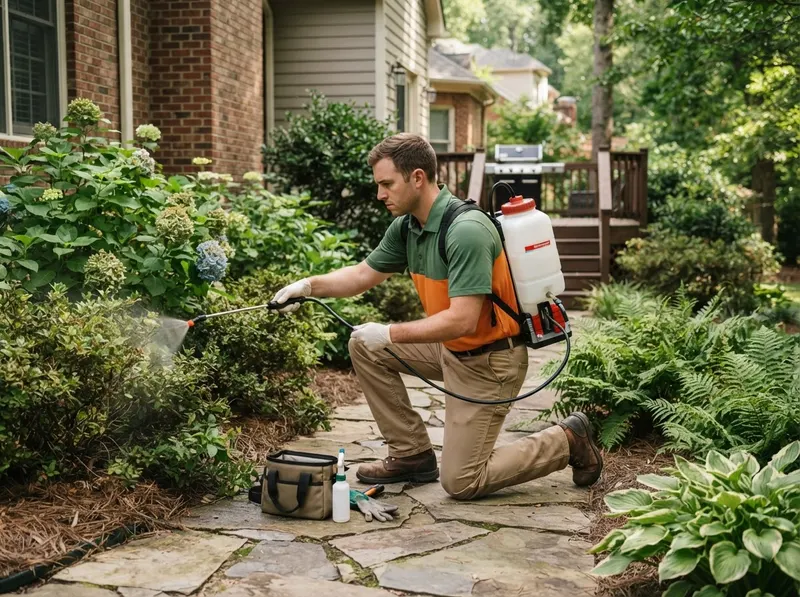
Mosquito suppression targets Aedes albopictus breeding grounds around shaded shrubs, landscape mulch, and storm drainage areas. Crews treat the undersides of broadleaf foliage using motorized mist blowers dispensing botanical or synthetic residual knockdown agents, while dispersing biological larvicide dunks into standing water traps. This disrupts seasonal breeding cycles to restore safe, comfortable backyard use throughout peak spring and summer months. Specialists systematically inspect shaded landscape beds, low-hanging tree branches up to 10 feet, ivy beds, and ground covers where adult mosquitoes rest during hot daylight hours. Biological larvicide dunks containing Bacillus thuringiensis israelensis are placed directly into exterior bird baths, stagnant drainage swales, and ornamental water basins, neutralizing aquatic mosquito larvae before they emerge as biting adults. This combined adulticide and larvicide strategy substantially reduces local mosquito populations across private lawns, outdoor patios, and commercial restaurant seating zones.
Get a quote →You get a firm, itemized quote for your pest control service before any work begins, no surprises, no pressure.
Careful prep, tidy work, and a full cleanup when we are done. We treat your home and belongings like our own.
The same trusted, background-checked team from the first call to the final check.
Selecting structural pest defense depends on pest biology, harborage moisture, and structural vulnerability. If an infestation involves German cockroaches or bed bugs inside wall cavities, choose targeted bait matrices and insect growth regulators; if the issue stems from outdoor American roaches and odorous house ants invading seasonally, choose exterior liquid barrier defense paired with mechanical gap caulking. The trade-off is interior prep work and targeted localized baits versus broad perimeter maintenance along foundation beds.
If a crawl space harbors wood-decay fungi, camel crickets, and termite activity, choose a closed vapor barrier and crawl space moisture control rather than spraying chemical insecticides over damp subflooring; encapsulation addresses subterranean humidity at the source but carries higher upfront installation labor. If roof rats, gray squirrels, or raccoons invade attic insulation near tree-lined lots, choose physical one-way exclusion doors and architectural sheet-metal flashing rather than interior rodenticides; mechanical exclusion prevents dead animal odor behind finished drywall, though structural sealing requires exterior roofline ladder work. If stinging insects nest inside exterior soffits or brick weep holes, choose pressurized botanical dusting directly into the primary brood nest; topical perimeter liquid sprays leave defensive foraging workers agitated around entry doors.
When managing flying mosquito populations across dense summer landscape beds, choose backpack mist applications of microencapsulated pyrethroids paired with biological larvicide dunks in standing water, trading simple broad-spectrum ground treatments for targeted foliar underside treatments that preserve beneficial garden pollinators. Selecting single-visit curative interventions solves immediate indoor biological pressure, whereas selecting scheduled seasonal perimeter treatments maintains a continuous barrier against migrating woodland species, trading one-time project fees for ongoing perimeter verification.
Every project gets a firm, written price after a free on-site visit. Ranges below for orientation.
Tell us about your pest control service job and we'll send a clear, written quote, usually the same day. Or just call and talk to a real Charlotte pro.
(980) 381-4495
Charlotte’s heavy Piedmont red clay soil and dense tree canopy across neighborhoods like Myers Park, Dilworth, and Plaza Midwood create persistent subterranean humidity and localized pest pressure. Moisture trapped against granite or brick-and-mortar foundation piers creates ideal conduits for subterranean termites and smoky brown cockroaches, especially near low-lying drainage basins around Freedom Park and Romare Bearden Park. High seasonal humidity from May through September accelerates insect breeding cycles across Mecklenburg County, demanding precise structural barrier work and targeted crawl space moisture exclusion over temporary surface sprays. Historic residences throughout Elizabeth and Dilworth frequently rest on unsealed crawl spaces with open foundation vents, permitting damp woodland air to condense on wood sills and drawing wood-boring powderpost beetles alongside camel crickets. Meanwhile, rapid residential and commercial expansion throughout South End and Ballantyne disturbs natural field rodent habitats, forcing roof rats and house mice to seek shelter along roof decking and foundation weep holes. Technicians navigate heavy traffic corridors along Independence Boulevard, South Boulevard, and Interstate 77 to deliver targeted on-site service, utilizing high-tensile hardware cloth, copper wire mesh, and water-stable termiticides formulated specifically to bond with Mecklenburg County’s dense, iron-rich subsoils.
Free estimates for Charlotte & the surrounding area.
 Willow Ridge Pest Control